
Smarter HVAC Choices for Arlington Heights Homes: Planning for Efficient Comfort
1. Start with the home’s envelope before equipment decisions
Any discussion about efficient heating and cooling begins with the building itself. Air sealing, weatherstripping, and adequate insulation reduce the load your equipment must handle, which translates to quieter operation and more consistent comfort. Tightening up the home first allows right-sized equipment selection later. When this groundwork is done, modern systems can maintain even temperatures with less cycling, which helps extend component life and optimize energy use across seasons.
2. Understand how heat pumps work in a Midwest climate
A heat pump moves heat rather than creating it, operating in reverse between seasons to both heat and cool. In winter, it extracts available heat from outdoor air and transfers it indoors; in summer, it expels indoor heat outside just like a traditional air conditioner. Today’s cold-climate models use variable-speed compressors and advanced refrigerants to sustain output even as temperatures dip. Pairing a properly selected outdoor unit with the right indoor air handler ensures steady comfort without sharp temperature swings.
3. Match system capacity to the home, not a rule of thumb
Accurate sizing is essential. Oversized units can short-cycle, leaving rooms clammy and unevenly conditioned, while undersized systems may run constantly and struggle during weather extremes. A professional load calculation accounts for square footage, insulation levels, window orientation, air leakage, and occupancy patterns. This measurement-driven approach supports balanced airflow, quieter operation, and dependable comfort during peak demand days.
4. Plan electrical and placement details early
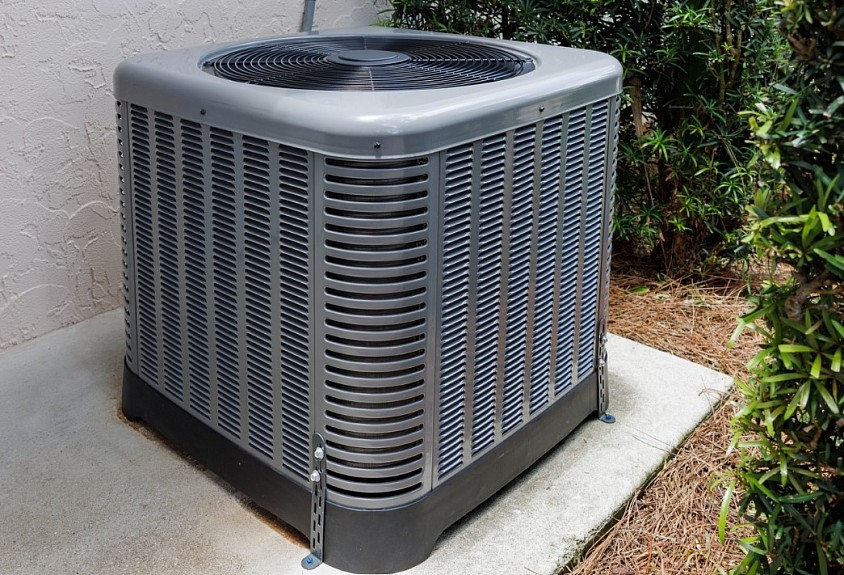
Heat pumps and supporting components require proper electrical service, dedicated circuits, and code-compliant disconnects. Outdoor units need clear airflow on all sides, solid mounting to minimize vibration, and thoughtful placement to avoid snow drifts and roof runoff. Indoors, refrigerant line routes and condensate management should be laid out to protect finishes and maintain service access. Tackling these details early reduces delays and helps ensure a clean, reliable setup.
5. Consider ductwork performance and airflow tuning
Even the most advanced equipment can underperform if ductwork is leaky, restricted, or imbalanced. A quick visual check rarely tells the whole story. Duct testing, sealing, and, if needed, resizing can improve delivery to distant rooms and reduce noise. After startup, technicians should fine-tune airflow, confirm static pressure, and verify that supply and return paths support the new system’s requirements.
6. Evaluate comfort controls and zoning options
Modern thermostats and controls help heat pumps shine by enabling gradual temperature changes and adaptive schedules. In multi-level or open-concept homes, zoning can target problem areas without overconditioning the entire space. Features like defrost cycle optimization and intelligent setback strategies support stable temperatures while avoiding unnecessary strain on components.
7. Weigh water management and defrost considerations
In cooling mode, condensate must be drained reliably to prevent moisture issues. In winter, frost can accumulate on outdoor coils; a well-designed system manages periodic defrost cycles with minimal impact on indoor comfort. Proper clearances, elevated mounting pads, and thoughtful drainage keep outdoor units free from standing water and ice that can impede airflow.
8. Prioritize maintenance for long-term efficiency
Routine filter changes, coil cleaning, and seasonal system checks help sustain performance. Verifying refrigerant charge, testing safety controls, and recalibrating thermostats ensure the equipment continues to operate within design parameters. Keeping vegetation trimmed around outdoor units and maintaining clear return paths indoors also contributes to consistent airflow and reduced wear.
9. Plan timelines, permits, and inspection steps
Depending on local requirements, permits and inspections may be part of the process. Planning the sequence—load calculation, equipment selection, electrical work, installation, commissioning, and verification—keeps the project on track. Clear documentation and a documented startup checklist help confirm that the system meets manufacturer specifications and local codes.
10. Focus on a complete, integrated approach
The most successful projects view the home as a system, where envelope, ventilation, ducts, controls, and equipment work together. With that integrated mindset, homeowners seeking heat pump solutions can expect reliable comfort across seasons. For residents evaluating heat pump installation Arlington Heights, a well-planned strategy—rooted in accurate sizing, sound duct design, proper placement, and diligent maintenance—can deliver quiet operation, balanced temperatures, and dependable year-round performance.
Cold-Weather Readiness: Practical HVAC Tips for Arlington Heights Homes
A reliable, efficient heating system is essential when lake-effect winds and subzero nights arrive. Homeowners can prepare proactively, minimize downtime, and keep energy use in check through a mix of routine attention and timely professional help. The following guide breaks down key steps that support steady comfort, extend equipment life, and reduce surprises when temperatures plunge across the northwest suburbs.
1) Schedule seasonal tune-ups
Preventive maintenance reduces strain on components, keeps airflow balanced, and helps catch issues before they halt heat. A thorough tune-up typically includes checking burners, inspecting heat exchangers, verifying ignition performance, and cleaning critical areas that affect efficiency. Attention to belts, bearings, and electrical connections can also curb unexpected failures when the system is working its hardest.
2) Replace air filters on time
Restricted airflow forces a furnace to run longer and hotter, leading to higher utility bills and unnecessary wear. Check filter condition monthly during heavy-use periods and replace as soon as it looks dirty. High-quality filters trap more particulates, supporting indoor air quality while protecting the blower assembly and heat exchanger. Consistent filter changes are one of the simplest ways to enhance comfort and reliability.
3) Calibrate your thermostat
Small thermostat inaccuracies can translate into noticeable temperature swings and wasted energy. Verify settings, confirm correct schedules, and ensure the device is installed away from drafts or heat sources that can skew readings. If your home has varying occupancy patterns, consider features that allow setbacks and gradual recovery, helping your system maintain comfort without frequent short cycling.
4) Seal and insulate the envelope
No heating system can overcome a drafty shell without higher energy use. Look for gaps around windows, doors, attic hatches, and utility penetrations. Weatherstripping, caulking, and proper attic insulation all help stabilize indoor temperatures, reduce run times, and keep the distribution system from overcompensating for leaks. Tightening the envelope pays off in quieter operation and more even room-to-room comfort.
5) Balance airflow throughout the home
Uneven heat often comes from obstructed supply registers, closed return vents, or imbalanced ductwork. Keep vents clear of furniture, rugs, and curtains. If some rooms run cooler, avoid over-restricting warm areas, which can create excessive static pressure and stress the blower. A professional assessment can pinpoint duct issues, verify correct sizing, and recommend adjustments that restore even heating.
6) Watch for early warning signs
Odd odors on startup, frequent cycling, squealing or grinding noises, or cold air blowing from registers are signals to address promptly. Keep an eye on the color and stability of burner flames, listen for delayed ignition, and note any sudden jumps in utility costs. When symptoms stack up, scheduling furnace repair Arlington Heights can prevent minor problems from turning into extended outages during peak demand.
7) Protect safety with detectors and clearances
Combustion appliances require proper ventilation and safe operation. Keep surrounding areas free of storage that could block airflow or create fire risks. Install and test carbon monoxide detectors on each level of the home, replace batteries on schedule, and investigate any alerts immediately. Clearances, fresh air supply, and exhaust integrity all contribute to healthy, consistent performance.
8) Plan ahead for extreme cold
When a deep freeze is forecast, verify that your thermostat is set to a steady temperature, open interior doors to promote circulation, and ensure exterior vents remain clear of snow. If your system has struggled in past cold snaps, arrange an inspection before the next front arrives. Early action—especially timely furnace repair Arlington Heights—helps avoid emergency calls when technicians are in highest demand.
By combining routine upkeep, smart home adjustments, and quick responses to warning signs, homeowners can keep heating systems steady, efficient, and safe throughout the harshest weeks of winter. A little preparation now goes a long way when the mercury drops, ensuring your household stays warm, bills remain manageable, and equipment runs smoothly from first frost to the final thaw.